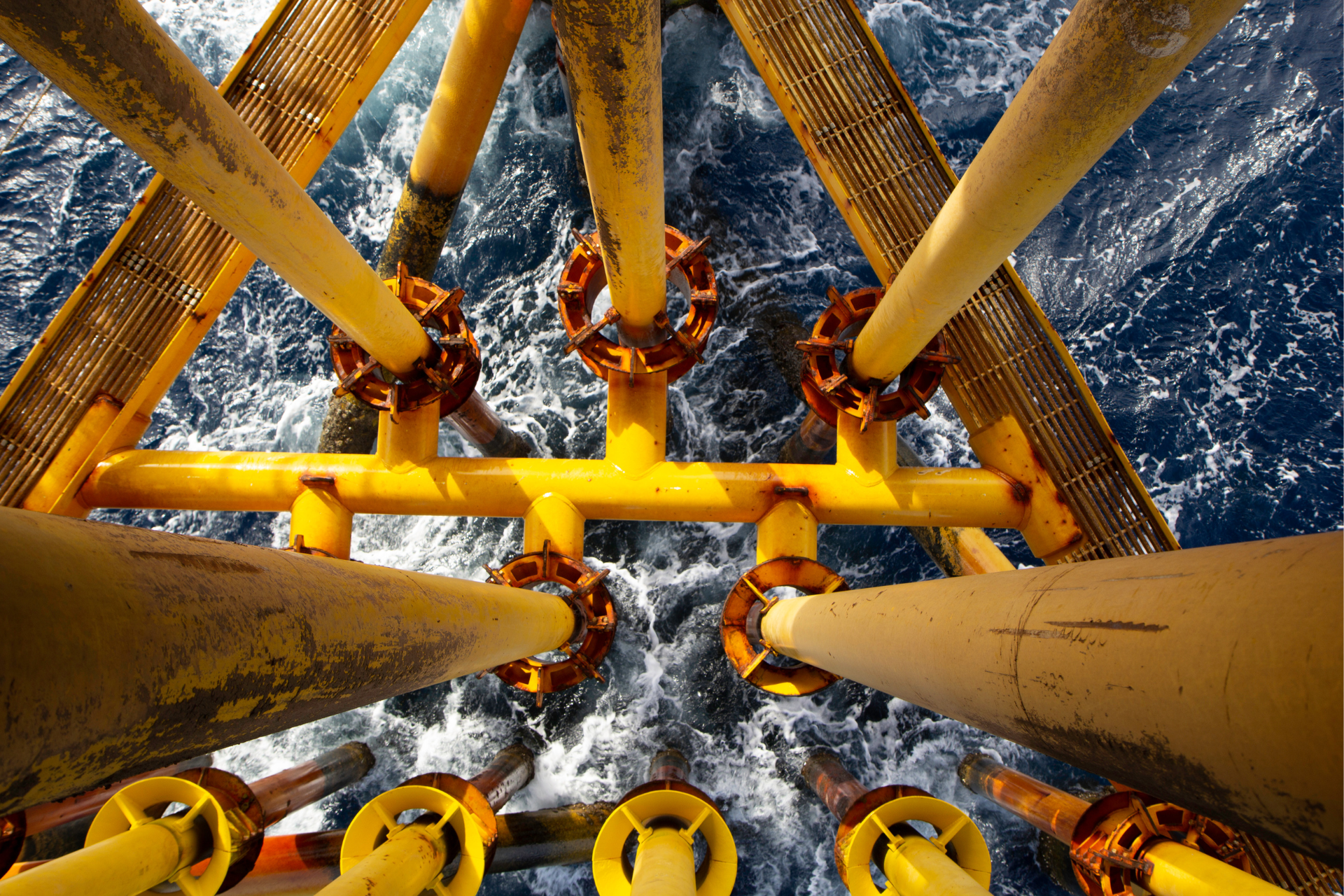
Offshore wind farms are often located many kilometers from shore, where technicians work on large wind turbines surrounded by open water. While modern offshore operations follow strict safety procedures, the environment itself can present serious risks. Strong winds, cold water, and unpredictable sea conditions mean that workers must always be prepared for emergencies.
This is why Sea Survival training is an essential part of safety preparation in the offshore wind industry. The training equips technicians with the knowledge and practical skills needed to react quickly and correctly if an emergency situation occurs at sea.
Working offshore means that immediate rescue services are not always available. In an emergency, workers may need to rely on their training and equipment until professional assistance arrives.
Possible emergency situations offshore can include:
Although such situations are rare, preparation is critical. Sea Survival training ensures that workers understand how to protect themselves and assist others if something unexpected happens.
Sea Survival training is one of the five modules included in GWO Basic Safety Training (BST). The module focuses specifically on safety procedures related to working in offshore environments.
The training combines theoretical lessons with practical exercises. Participants learn about emergency procedures and then practice the skills in controlled training environments such as pools or specialized facilities.
The goal is to give offshore workers the confidence and ability to respond effectively during real emergencies.
One of the first topics covered in Sea Survival training is the nature of the offshore environment. The sea can be unpredictable, and conditions can change rapidly.
Participants learn about factors such as:
Understanding these risks helps workers recognize why correct procedures and equipment are so important.
Offshore workers rely on specialized equipment designed to protect them in marine environments. Sea Survival training introduces participants to this equipment and teaches how to use it properly.
One important piece of equipment is the immersion suit. These suits are designed to keep the body warm if a person ends up in cold water. During training, participants practice putting on immersion suits quickly and correctly.
Other equipment used during offshore operations includes:
Knowing how to use this equipment correctly can significantly increase survival chances during emergencies.
Although offshore vessels follow strict safety standards, workers must still be prepared for the possibility of abandoning a vessel. Sea Survival training explains the procedures that must be followed if this situation occurs.
Participants learn how to:
Practicing these procedures helps ensure that workers remain calm and organized during real emergencies.
If someone falls into the sea, staying calm and conserving energy becomes extremely important. Sea Survival training teaches techniques that help increase survival time in cold water.
Participants practice different floating positions that reduce heat loss and help keep the airway above water. They also learn how to work together with others to improve visibility and make rescue easier.
Training environments often include realistic simulations that allow participants to experience the challenges of entering water while wearing protective equipment.
Offshore work relies heavily on teamwork. During emergencies, cooperation between crew members and technicians can make a major difference.
Sea Survival training emphasizes communication, leadership, and helping others during evacuation procedures. Participants practice assisting colleagues, organizing liferaft boarding, and ensuring that everyone follows safety instructions.
These exercises help develop the confidence needed to react quickly under pressure.
Reading about emergency procedures is not enough. In real situations, workers must act quickly and without hesitation. This is why Sea Survival training includes practical exercises that simulate realistic offshore scenarios.
By practicing in controlled conditions, participants gain valuable experience that prepares them for real emergencies. They become familiar with the equipment, the procedures, and the physical challenges involved.
For anyone planning a career in the offshore wind industry, Sea Survival training is a critical step in the preparation process. It ensures that workers understand the risks of the offshore environment and know how to respond if something goes wrong.
Combined with other safety modules such as Working at Height and First Aid, Sea Survival training forms part of the strong safety culture that defines the offshore wind industry.
Proper training not only protects individuals but also helps ensure that offshore teams can work together safely and confidently in one of the most demanding environments in the energy sector.