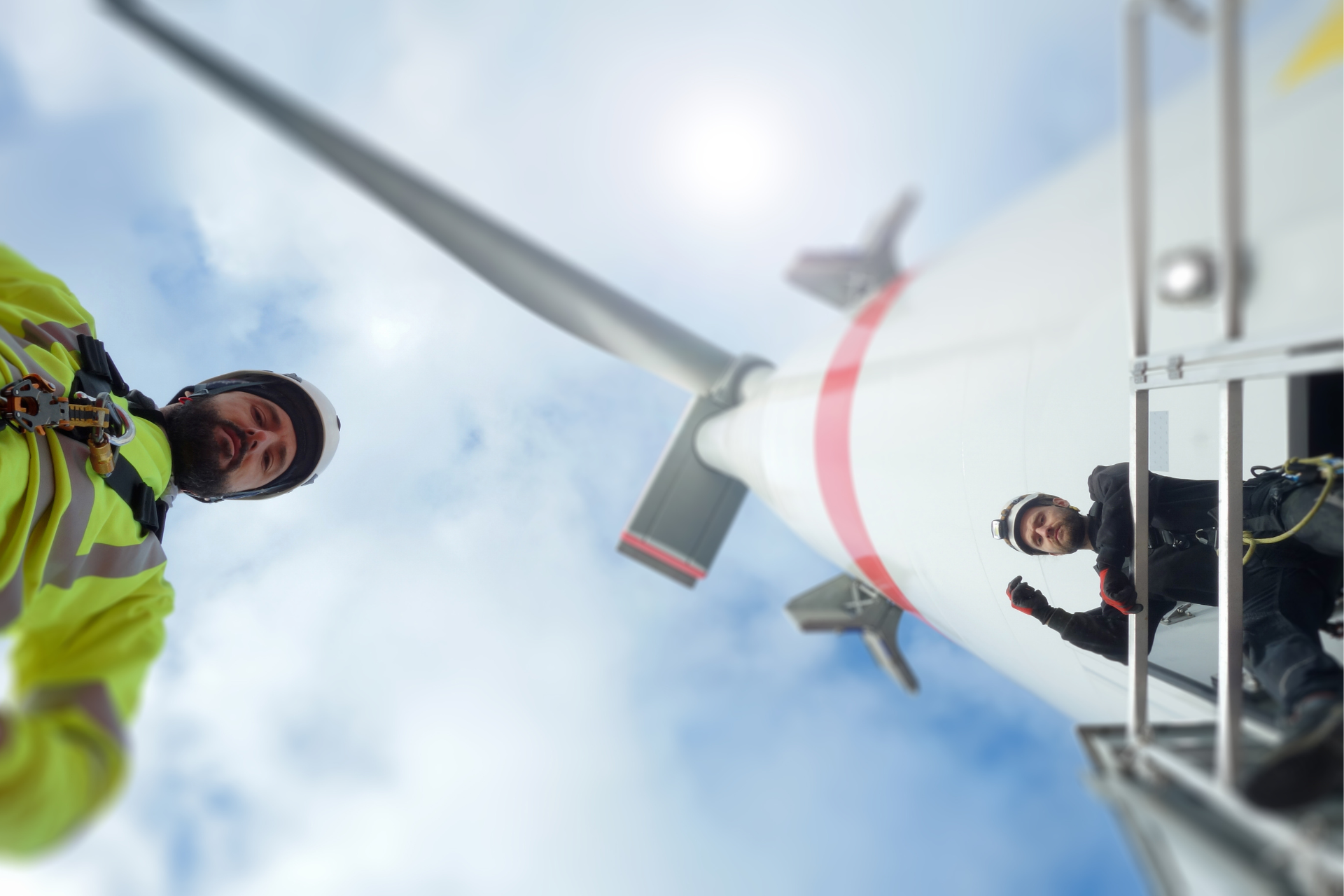
The offshore wind industry has grown rapidly over the last decade. Wind farms are being built across Europe, Asia, and North America, creating thousands of jobs for technicians, engineers, and maritime professionals. Working in this environment can be rewarding, but it also involves serious risks. Offshore wind technicians operate at great heights, often far from shore, and frequently work in challenging weather conditions.
Because of these risks, safety training is a fundamental requirement for anyone entering the industry. One of the most widely recognized safety standards is GWO Basic Safety Training, commonly referred to as GWO BST. This training ensures that offshore wind workers have the knowledge and practical skills needed to work safely and respond effectively to emergency situations.
GWO stands for Global Wind Organisation. It is an international non-profit organization founded by leading wind turbine manufacturers and operators. The goal of GWO is to establish common safety standards across the global wind industry.
Before these standards were introduced, safety training requirements varied widely between companies and countries. GWO created a unified system that ensures technicians and other offshore workers receive consistent safety training regardless of where they work.
Today, GWO standards are recognized and required by most major offshore wind companies. If you want to work on wind turbines, either offshore or onshore, completing GWO training is often a mandatory first step.
GWO Basic Safety Training is an entry-level training program designed for people who are new to the wind industry or those who need certification to work on wind turbines.
The purpose of this training is to prepare workers to prevent accidents and respond appropriately if an emergency occurs. Participants learn both theoretical knowledge and practical skills that can help save lives in critical situations.
The training is usually delivered through a combination of classroom instruction and hands-on exercises. Practical training is an important part of the program because it allows participants to practice real-life emergency scenarios.
Once completed, participants receive a certification that is registered in the WINDA database, which allows employers to verify the validity of the training.
GWO Basic Safety Training consists of five core modules. Each module focuses on a specific safety topic that is relevant to offshore wind operations.
Working at Height
Wind turbine technicians often work more than 100 meters above the ground or sea level. This module teaches how to safely use fall protection equipment, climb ladders, and perform rescue procedures in case a colleague becomes injured while working at height.
Sea Survival
Many offshore wind farms are located far from shore, which means workers must be prepared for emergencies at sea. The Sea Survival module teaches how to use life-saving equipment such as immersion suits and liferafts. Participants also learn how to react in situations such as abandoning a vessel or surviving in cold water.
Fire Awareness
Fire can be extremely dangerous in confined spaces such as wind turbine nacelles or offshore vessels. This module explains how fires start, how they spread, and how to respond safely. Participants practice using fire extinguishers and learn evacuation procedures.
First Aid
In offshore environments, medical assistance may not be immediately available. The First Aid module teaches essential skills such as CPR, treating injuries, and stabilizing an injured person until professional help arrives.
Manual Handling
Wind turbine maintenance often involves lifting tools and equipment in confined areas. Improper lifting techniques can lead to serious injuries. This module teaches safe lifting methods and how to reduce the risk of musculoskeletal injuries.
GWO Basic Safety Training is typically required for anyone who plans to work on wind turbines or within offshore wind farm operations.
Common roles that require this training include:
Even experienced maritime professionals often need to complete GWO training before they can access offshore wind installations.
After completing GWO Basic Safety Training, the certification is generally valid for two years. Before it expires, workers must complete a GWO Basic Safety Training Refresher (BSTR) to maintain their certification.
This refresher training ensures that workers continue to practice important safety skills and remain familiar with emergency procedures.
Safety is the foundation of the offshore wind industry. Turbines are large and complex structures, and offshore work environments can be unpredictable. Proper training reduces the risk of accidents and ensures that workers know how to react quickly and effectively in emergency situations.
For individuals looking to start a career in offshore wind, GWO Basic Safety Training is often the first step toward entering the industry. It demonstrates to employers that a worker understands the safety standards required for offshore operations.
As the offshore wind sector continues to expand globally, the demand for trained and certified professionals will only increase. Completing GWO training opens the door to many opportunities within this rapidly growing industry.