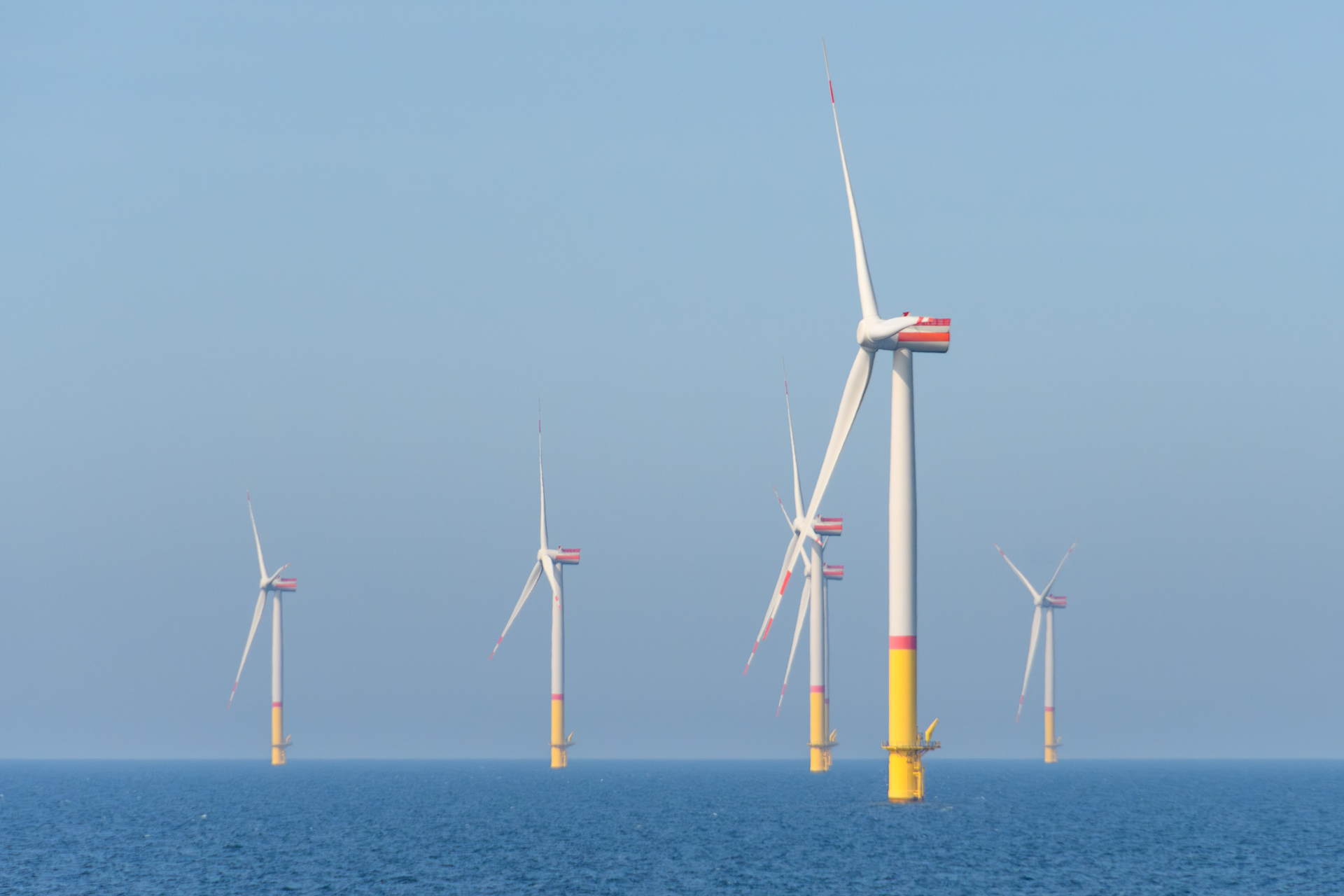
The offshore wind industry attracts professionals from many different backgrounds. Technicians, engineers, electricians, and maritime crew members all work together to build and maintain offshore wind farms. These projects are often located many kilometers from shore and require specialized vessels, equipment, and highly trained personnel.
For many people, their first offshore rotation is an exciting step in their career. At the same time, working offshore can be very different from a typical onshore job. Understanding what daily life looks like before your first rotation can help you prepare both mentally and physically.
Most offshore wind projects operate on a rotation system. Workers spend a certain number of days or weeks offshore, followed by a period of time at home. The most common rotations are two weeks on and two weeks off, although some projects use slightly different schedules.
During the offshore period, workers live either on Service Operation Vessels (SOVs), construction vessels, or sometimes on offshore platforms. Accommodation, meals, and workspaces are provided so that workers can stay on site for the duration of their shift.
When the rotation ends, workers return home until the next offshore period begins.
The journey to an offshore wind farm usually starts at a port base where technicians gather before departure. Depending on the location of the wind farm, transportation to the turbines can happen in two ways.
The most common method is by Crew Transfer Vessel (CTV). These fast vessels transport technicians from the harbor to the wind turbines, where they step onto the turbine platform using a specialized transfer system.
For larger wind farms located further offshore, workers may travel by helicopter or stay on larger vessels such as Service Operation Vessels. These vessels remain near the wind farm for extended periods and allow technicians to reach turbines using walk-to-work gangways.
A typical offshore day usually begins early in the morning. Safety is always the first priority, so most shifts begin with a safety briefing or toolbox talk where the team reviews the tasks planned for the day.
Technicians then prepare their equipment and travel to the assigned turbine. The type of work performed can vary depending on the stage of the wind farm project. Some common tasks include:
Work on wind turbines often takes place at significant heights. Climbing turbine towers and working inside the nacelle requires proper safety equipment and training.
Because offshore weather conditions can change quickly, work schedules may sometimes be adjusted. High winds or rough sea conditions can temporarily stop turbine access until it is safe to continue.
Life offshore is structured and organized. Workers typically share cabins on vessels or offshore accommodations, although many modern vessels offer comfortable living spaces.
Meals are prepared by onboard catering teams, and workers usually have access to common areas where they can relax after their shifts. Internet access is often available, although the connection may be slower than what people are used to onshore.
After long workdays, rest is very important. Workers must maintain good physical condition and stay alert during operations, so proper sleep and recovery are essential.
Safety plays a central role in the offshore wind industry. Workers are expected to follow strict safety procedures and use protective equipment at all times.
Before starting offshore work, technicians must complete specialized safety training such as GWO Basic Safety Training. This training prepares workers to deal with risks such as working at height, fire hazards, and emergency situations at sea.
In addition to formal training, offshore teams regularly conduct drills and safety exercises to ensure that everyone knows how to respond if an emergency occurs.
Working offshore can be physically demanding. Technicians often climb long turbine ladders, carry tools, and work in challenging weather conditions. Maintaining a good level of fitness helps workers perform their tasks safely and efficiently.
Mental preparation is equally important. Spending long periods away from home can be challenging, especially for people who are new to offshore rotations. Good communication with family and maintaining a positive mindset can make the adjustment easier.
Over time, many professionals find that the rotation schedule offers a good balance between work and personal life. The extended time off between rotations allows workers to rest, travel, or spend time with family.
The offshore wind sector continues to grow rapidly around the world. New wind farms are being built every year, creating strong demand for skilled professionals.
Many workers begin their careers as technicians and later move into specialized roles such as supervisors, engineers, or project managers. Others continue to work offshore while gaining experience with different turbine technologies and international projects.
For those interested in a career that combines technology, teamwork, and the offshore environment, the wind industry offers exciting opportunities and long-term career potential.
Understanding what to expect before your first rotation can help you start this journey with confidence and be ready for the unique experience of working offshore.